Showing all 6 results
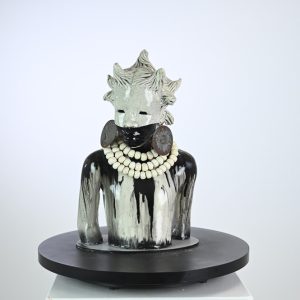
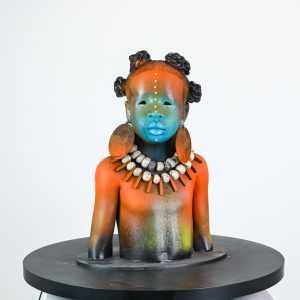
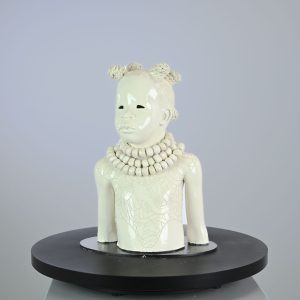
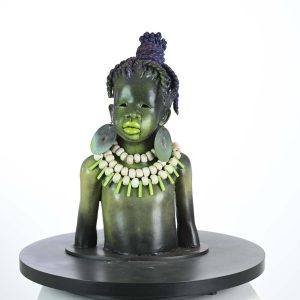
FiltersAbeni, whose name means A cherished gift; one long awaited, is the guardian her people waited a long time to receive. She does not give speeches. When the fire grows loud, the argument quiets itself before she has spoken. She sees not one future but all of them, branching, each with its price, and every morning she chooses among them, and the village wakes into her choosing and calls it an ordinary day. They mistake her distance for coldness. She has seen their endings and she greets them anyway. That is not coldness. That is what it costs.
Abiku, whose name means Born to die, was named before anyone thought he would need the name long. The abiku is the child who comes and goes and comes again, and they marked him at birth so they would know him on his return. He did not return. He stayed, and the mark is still on him, and nobody in the village has ever been able to look at it easily. He could not train with the spears, so he learned the healers’ work, and watched the training ground over the rim of the mortar. Now he raises walls that a killing blow breaks against and dies. It costs him more than he has ever said. They sang for years to keep him from crossing over. He has made himself the thing that stands in the doorway.
Amara, whose name means Grace, walks and the ground answers, quietly, days later, in a corner of a plot that had gone brown. Her people call her their good fortune, which is a word for a girl that is also a word for a thing you carry, and her mother lies awake over it. But the child is not confused about herself. She has put her hands to a dying garden and she has walked past a full one, and no one has thought to ask why, because no one has understood that she is choosing. Grace is not the gift. Grace is the hand that decides where it falls.
Nuru, whose name means Light, came to the village out of a season no one can agree on, and she has never once corrected the telling. She is small and quiet and the room arranges itself around her. A faint light travels with her, and the marks upon her chest, the lizard among them, were cut by no hand here. She mends what is broken, and that much is known. What is not known is that she can reach into a person’s road and bend it, and that she has, and that she almost never will. A road belongs to the one walking it. She decided that herself, as a child, and told nobody.
Thandiwe, whose name means Beloved, is a child who speaks little because he is listening. To him the birds carry news, the elephant carries memory, and the smallest creature in the grass has a name and a hope of its own. He has set down the spear his people offered him, not from softness, but because he alone knows where the water lies and which way the herd has turned, and he understands that the hunt was never the only road. His elders call him stubborn. He does not argue. He tends the young animals, and he waits for the season when they come to ask him what he has heard.